Leach Field Installation in Denver, CO
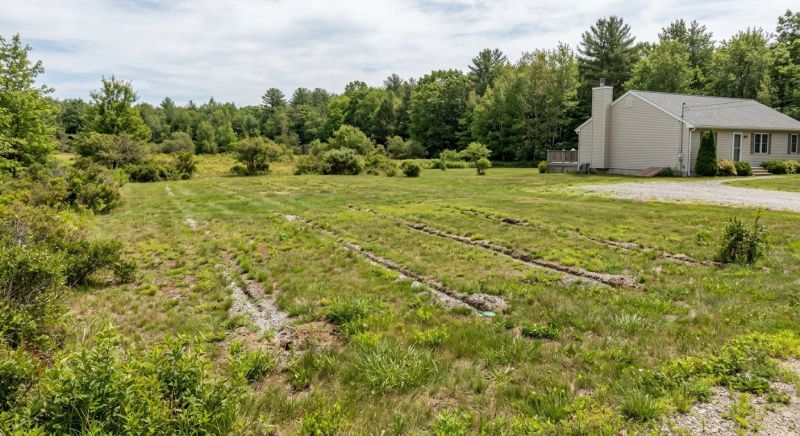
Leach field installation is a crucial component of a septic system, responsible for safely dispersing treated wastewater into the soil. This service involves designing and installing a network of perforated pipes and gravel beds that allow effluent to be absorbed naturally, helping to prevent backups and environmental contamination. Property owners may seek leach field installation when setting up a new septic system, upgrading an existing system, or replacing an aging leach field that no longer functions properly.
Before requesting leach field installation, homeowners should consider factors such as property size, soil type, and local regulations that influence system design. It is also helpful to understand the location of the septic tank and any underground utilities to ensure proper placement and avoid disruptions. Proper planning and understanding of these elements can contribute to a reliable and efficient septic system that meets the property's needs.
Many property owners in Denver, CO look into Leach Field Installation for repairs, replacements, upgrades, and appearance-related improvements.
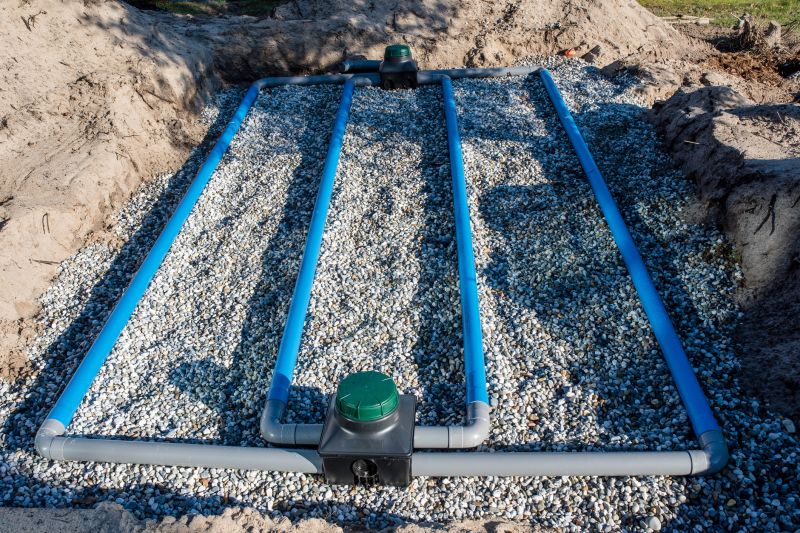
Leach Field Design And Planning
Proper planning ensures effective wastewater treatment for residential and commercial properties.
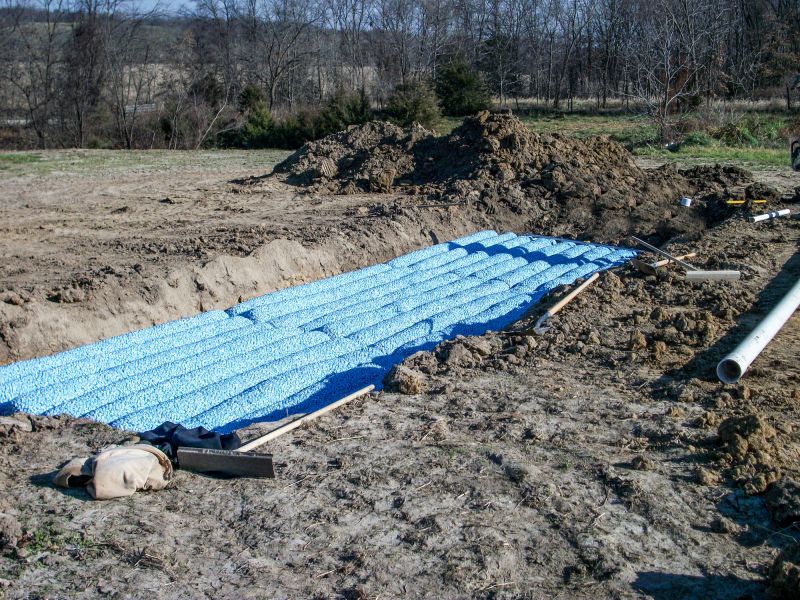
Leach Field Installation Process
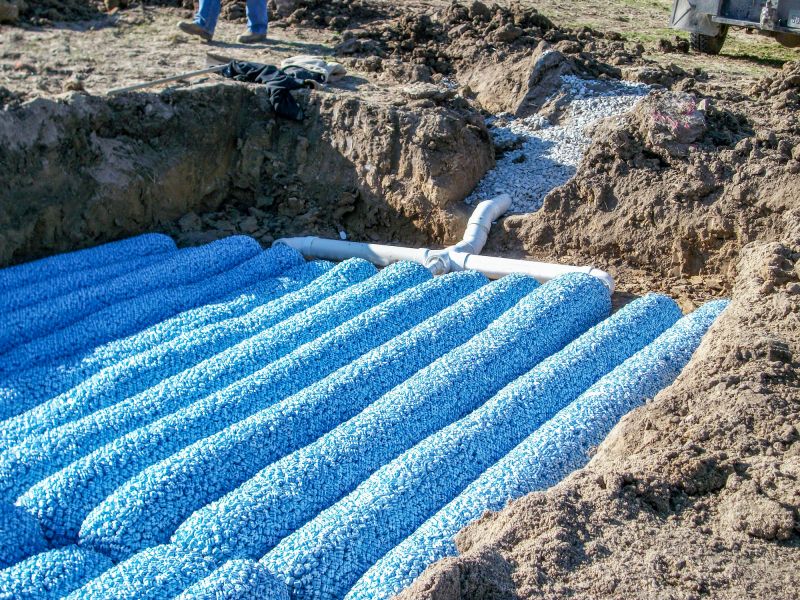
Installation involves carefully excavating, laying out the system, and ensuring proper soil absorption.
Leach Field Maintenance And Repairs
Regular inspection and maintenance help extend the lifespan and prevent system failures.
Leach Field Installation in Denver, CO

Leach field installation is a crucial component of a septic system, responsible for safely dispersing treated wastewater into the soil. This service involves designing and installing a network of perforated pipes and gravel beds that allow effluent to be absorbed naturally, helping to prevent backups and environmental contamination. Property owners may seek leach field installation when setting up a new septic system, upgrading an existing system, or replacing an aging leach field that no longer functions properly.
Before requesting leach field installation, homeowners should consider factors such as property size, soil type, and local regulations that influence system design. It is also helpful to understand the location of the septic tank and any underground utilities to ensure proper placement and avoid disruptions. Proper planning and understanding of these elements can contribute to a reliable and efficient septic system that meets the property's needs.
Many property owners in Denver, CO look into Leach Field Installation for repairs, replacements, upgrades, and appearance-related improvements.
Common Leach Field Installation Jobs
Leach Field Installation - Proper installation ensures effective wastewater treatment for residential properties.
Septic System Design - Custom designs optimize leach field placement for soil and property conditions.
Site Assessment - Evaluations identify suitable locations for leach field placement and performance.
Drain Field Setup - Installation involves preparing the area and laying out the drain pipes and gravel bed.
Soil Testing - Testing determines soil permeability to ensure proper leach field function.
System Expansion - Adding or upgrading leach fields accommodates property growth or system improvements.
Leach Field Installation Questions
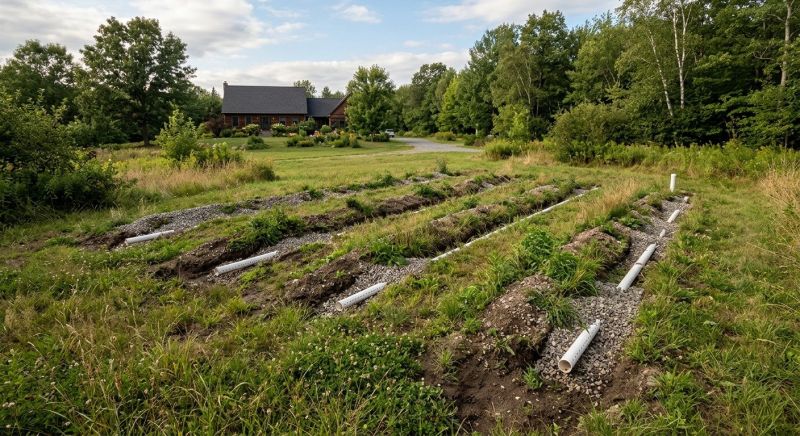
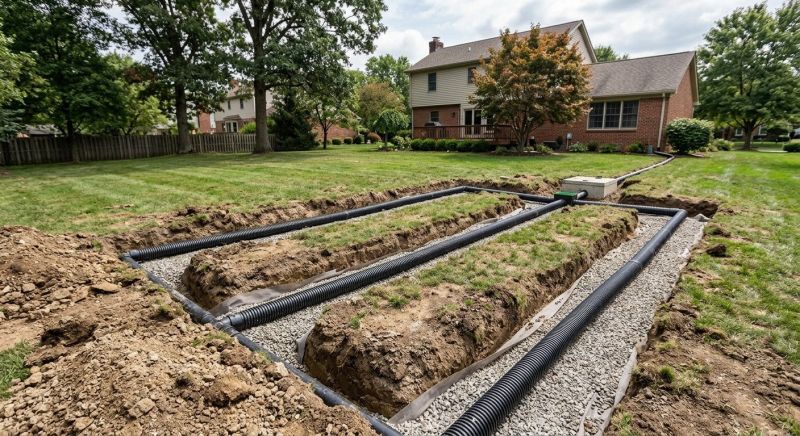
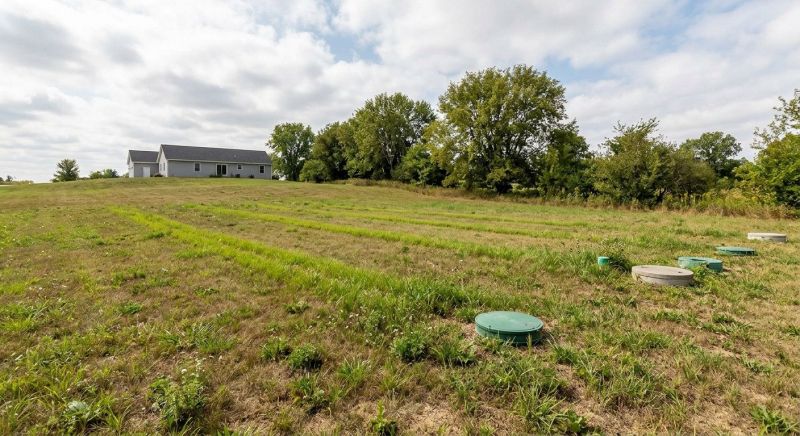
What is a leach field? A leach field is an underground area where treated wastewater from a septic system disperses into the soil for final filtration.
How is a leach field installed? Installation involves excavating trenches, laying perforated pipes, and covering them with gravel to allow proper wastewater absorption.
What factors influence leach field size? The size depends on property size, household water usage, and soil absorption capacity.
Why is proper installation important? Correct installation ensures effective wastewater treatment and reduces the risk of system failures or environmental issues.
Request Leach Field Installation in Denver, CO
Use the quote form on this page to share the basics of your project and request more information for the type of work you need.