The Most Common Septic Problems Homeowners Face
Homeowners facing common septic problems often need repairs or replacements, and local service providers can assess and handle these issues efficiently.
Homeowners in the area often encounter a variety of septic system issues that can disrupt daily life and lead to costly repairs if not addressed promptly. Understanding the most common septic problems homeowners face can help property owners recognize early warning signs and make informed decisions about maintenance or necessary repairs. Whether it's slow drains, foul odors, or backups, these issues are often manageable when handled by experienced local contractors who specialize in septic replacement and repair services.
Exploring this topic provides practical insights into the challenges that can arise with septic systems and highlights the importance of timely intervention. Local service providers are equipped to diagnose and resolve these common problems efficiently, helping homeowners restore proper function and avoid more extensive damage. Keep reading to learn about typical septic system concerns and how trusted local experts can assist in maintaining a healthy, reliable system for your property.
- Septic tank replacement - homeowners experiencing persistent backups or tank failure may need a complete replacement, which local contractors handle by assessing tank condition and installing new units.
- Septic tank repair - issues like leaks or clogs often require repairs, with local service providers diagnosing problems and restoring proper function efficiently.
- Drain field repair - when drain fields fail or become saturated, local pros evaluate the system and perform repairs to prevent sewage backups and environmental hazards.
- Septic tank pumping - regular pumping is essential to prevent overflows and backups, with local contractors removing accumulated sludge safely and thoroughly.
- Septic system troubleshooting - when septic problems arise unexpectedly, local service providers identify root causes and recommend repairs or replacements to restore system performance.
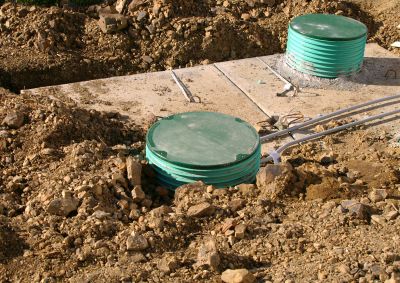
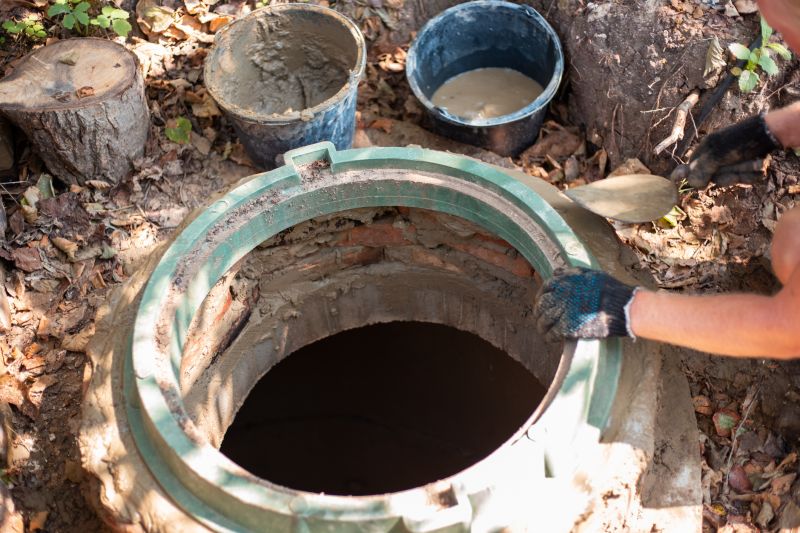
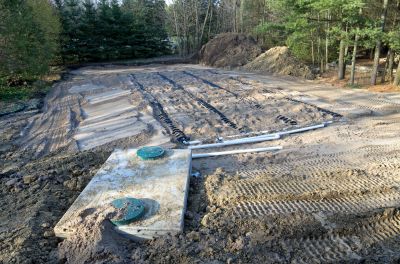
The most common septic problems homeowners face often stem from issues with the septic system’s ability to properly treat and dispose of wastewater. When searching for this topic, many are looking to understand why their system might be malfunctioning or showing signs of trouble. Common concerns include frequent drain backups, foul odors around the property, slow-draining sinks and toilets, and standing water or soggy patches in the yard near the septic tank or drain field. These problems usually indicate underlying issues that require professional inspection and repair, making it important for homeowners to recognize the signs early and seek out experienced septic repair or replacement services.
These issues are typically linked to a range of septic system components and plans. For example, problems with the drain field often result from soil saturation or clogging, while tank issues may involve sludge buildup or leaks. Blockages in pipes or improper maintenance can also cause backups and odors. Some homeowners may encounter more complex failures, such as cracked tanks or damaged drain fields, which require comprehensive repairs or even septic system replacement. Understanding these common problems helps homeowners identify when their septic system is failing and what kind of solutions might be needed, emphasizing the importance of consulting with local contractors who specialize in septic repair and replacement.
Septic problems tend to arise in properties with certain characteristics or uses. Residential properties with larger households often see increased wear on the system, leading to quicker buildup of solids and more frequent issues. Older homes with outdated septic designs or components are also more prone to failure, especially if maintenance has been neglected over the years. Additionally, properties built on poorly drained or unsuitable soil may experience drain field problems more frequently. These issues are not limited to rural or suburban homes; some urban properties with private septic systems face similar challenges. Recognizing the type of property and its usage helps homeowners understand the scope of potential problems and when to seek assistance from local service providers who can evaluate and address the specific needs of their septic system.
Understanding the most common septic problems homeowners face connects directly to practical projects involving repair or replacement. When signs of failure appear, such as persistent backups or odors, local pros can assess the situation and recommend appropriate solutions, whether that involves repairing damaged components or replacing the entire system. These professionals bring the expertise needed to handle a range of issues, from fixing minor pipe blockages to installing entirely new septic systems. For homeowners, knowing that local contractors are available to diagnose and resolve these problems ensures that septic system failures are addressed efficiently, helping to prevent more extensive damage and ensuring the property remains functional and safe.
Drain field installation - involves planning and installing underground systems, similar to septic repairs that require careful site assessment and excavation work by local contractors.
Pumping and maintenance services - focus on removing accumulated waste, aligning with septic system upkeep to prevent common problems faced by homeowners.
Septic tank replacement - entails removing and installing new tanks, requiring similar skills in excavation, site prep, and system integration as septic repairs.
Leach field repair - involves diagnosing and fixing drainage issues, which is closely related to addressing septic system failures and blockages.
Drainage system upgrades - improving underground piping and flow, similar to troubleshooting and fixing septic system inefficiencies faced by homeowners.
Soil testing and site evaluation - necessary for proper septic system design and repairs, requiring planning skills similar to those used in septic problem troubleshooting.
When evaluating service providers for septic replacement or repair, it’s important to consider their experience with similar projects. Homeowners should inquire whether the local contractors have handled septic system issues comparable to the most common septic problems homeowners face, such as clogs, backups, or drain field failures. An experienced contractor will understand the nuances of different septic systems and be familiar with the common challenges that arise, which can help ensure the work is performed efficiently and effectively.
Clear written expectations are essential when comparing local pros. Homeowners should seek detailed descriptions of what the repair or replacement process involves, including scope, materials, and any potential disruptions. Having this information in writing helps prevent misunderstandings and ensures that both parties are aligned on the project’s goals. Service providers who communicate openly about what to expect can make the process smoother and more transparent, reducing surprises along the way.
Reputable references and effective communication are key indicators of trustworthy service providers. Homeowners are encouraged to ask for references from previous clients who had similar septic issues addressed. This can provide insights into the contractor’s reliability, quality of work, and professionalism. Additionally, choosing local contractors who are responsive and willing to answer questions clearly can make the process of repairing or replacing a septic system more manageable. Good communication helps ensure that homeowners feel informed and confident throughout the project.
Property owners often search for the most common septic problems homeowners face when they are planning practical projects around their homes and businesses. Local pros provide Septic Replacement or Repair services for everyday jobs and straightforward project options.
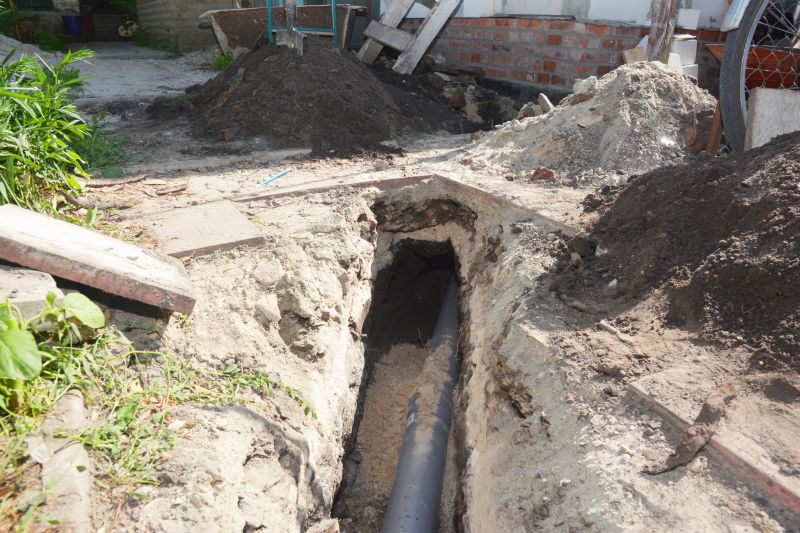
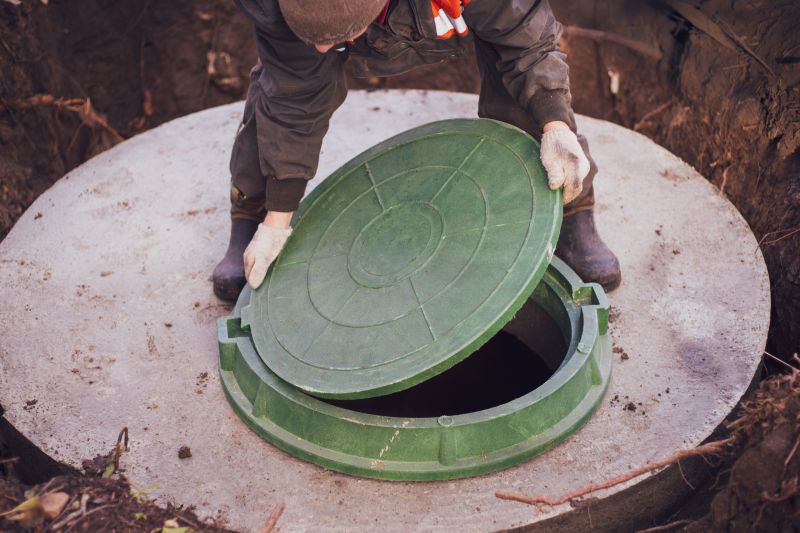
Many homeowners in the area encounter common septic problems that can disrupt daily routines and require professional attention. Issues like slow drains, foul odors, or backups often signal underlying septic system troubles that may need repair or replacement. These problems can arise from clogs, tank overflows, or aging components, making it important to seek help from experienced service providers who specialize in septic system repairs. Addressing these issues promptly can prevent more extensive damage and ensure the septic system continues functioning properly.
Property owners might look up this topic after noticing signs such as standing water near the drain field or gurgling sounds from plumbing fixtures. Such symptoms often indicate that the septic system is struggling to process waste efficiently, which could be due to a variety of causes like solids buildup or damaged components. Local contractors who focus on septic repair and replacement can assess the situation, diagnose the root cause, and recommend the appropriate solutions to restore system performance. Connecting with these service providers can help homeowners manage septic issues before they develop into larger, more costly problems.
What are common signs of septic system failure? Homeowners often notice slow drains, foul odors, or sewage backups, which can indicate septic problems that may require repair or replacement by local contractors.
How can clogged or damaged septic tanks be addressed? Local service providers can inspect and clear blockages or replace damaged tanks to restore proper function and prevent further issues.
What causes septic system problems like leaks or overflows? Issues such as root intrusion, aging components, or improper maintenance can lead to leaks or overflows, which experienced contractors can diagnose and fix.
When should a septic system be replaced instead of repaired? If the system is extensively damaged, outdated, or repeatedly failing, local contractors can evaluate and recommend replacement options.
What are the typical repairs needed for septic system problems? Repairs may include replacing tanks, fixing pipes, or addressing drain field issues, all handled by local septic service providers experienced in such work.
Inspecting and maintaining septic tanks regularly can help identify early signs of failure, allowing homeowners to plan for septic replacement or repairs with local service providers.
Addressing drain field issues promptly, such as soggy or foul-smelling areas, ensures the septic system functions properly and prevents costly repairs.
Managing household waste and water usage can reduce strain on the septic system, minimizing the risk of common problems that require repair or replacement services.
Scheduling routine septic system evaluations with local contractors helps detect potential problems before they escalate, supporting long-term system health.
If you are thinking about the most common septic problems homeowners face for a property, this guide is meant to help you understand this topic, the typical project types, and how different options might fit your plans.
When you are ready, you can use the quote form on this page to share a few details about your project. From there, local pros can review the basics and follow up with options that match what you have in mind.