
Favorite Sewage Pump Installation Products For Efficient Waste Removal
Browse through popular tools and parts that streamline sewage pump installation and ensure smooth operation.
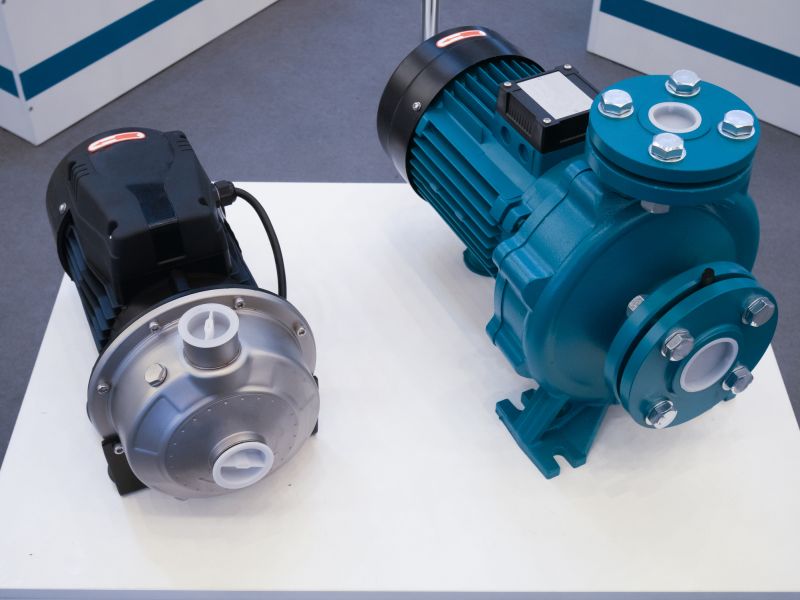 Sewage pump installations are essential components in managing wastewater and sewage systems, especially in properties where gravity drainage is not feasible. These systems help move waste from lower to higher elevations, ensuring proper sanitation and preventing backups. Selecting the right products for sewage pump installations involves understanding various pump types, features, and compatibility with existing plumbing infrastructure. Whether for residential, commercial, or industrial applications, choosing reliable and appropriately rated equipment is crucial for effective operation.
Top Overall Option
Submersible Sewage Pump
A versatile submersible sewage pump is designed to operate submerged in wastewater, offering reliable performance for various applications. Its durable construction typically includes corrosion-resistant materials, making it suitable for long-term use in challenging environments. These pumps often feature automatic float switches for easy activation and deactivation, simplifying operation and maintenance. They are adaptable to different flow rates and lift requirements, making them a practical choice for many sewage management scenarios.
Types of Products For Sewage Pump Installations
Submersible Sewage Pumps
Designed to operate submerged in waste water, these pumps are common in residential and commercial settings for handling sewage and effluent.
Horizontal Sewage Pumps
These pumps are installed horizontally and are suitable for high-volume applications requiring significant flow capacity.
Vertical Inline Pumps
Compact and easy to install, vertical inline pumps are often used for smaller or space-constrained sewage systems.
Grinder Pumps
Equipped with cutting mechanisms, grinder pumps are ideal for macerating solids in sewage for easier pumping and transport.
Effluent Pumps
Designed for lighter waste flows, effluent pumps are suitable for draining septic tanks and similar applications.
Dewatering Pumps
Used for removing excess water from sewage systems or construction sites, these pumps handle large volumes efficiently.
Automatic Sewage Pumps
Features automatic float switches for hands-free operation, suitable for various residential and commercial setups.
Portable Sewage Pumps
Lightweight and movable, portable pumps are useful for temporary or emergency sewage removal tasks.
High-Flow Pumps
Designed for applications requiring large volumes of waste to be moved quickly and efficiently.
Multi-Stage Pumps
These pumps utilize multiple impellers to increase pressure and flow, suitable for high lift requirements.
Popular Choices
Widely used in residential sewage systems, these pumps are valued for their reliability and ease of installation.
Popular for residential septic systems, these pumps activate automatically when needed.
Chosen for its ability to handle solids, this system is common in basement installations and commercial settings.
Preferred in larger-scale applications for their capacity and efficiency in moving waste.
Ideal for space-saving installations in small or confined areas.
Favored for temporary setups and emergency situations due to their mobility.
Selected for high-volume waste transfer in industrial or large commercial environments.
Often used where high pressure and flow are required for complex sewage systems.
Commonly used in construction or flood management, valued for its capacity to handle large water volumes.
A practical choice for septic tank effluent removal, appreciated for its straightforward operation.
When considering sewage pump products, factors such as flow capacity, pump material, motor power, and installation requirements come into play. Pumps can vary from simple submersible units to more complex systems with multiple stages or automation features. Proper installation and maintenance are vital to ensure longevity and optimal performance of the system. Additionally, understanding the specific needs of the property, such as the volume of waste and the vertical lift required, can help narrow down suitable options.
In-depth knowledge about different product variations can aid in making informed choices. For example, some pumps are designed for high-volume commercial use, while others are tailored for residential basements or small-scale applications. Accessories like control panels, alarms, and check valves can enhance system functionality and safety. It is also recommended to consider ease of access for maintenance and the durability of materials used, especially in harsh environments.
Overall, selecting the right products for sewage pump installations requires careful evaluation of system requirements, product features, and compatibility. Consulting with professionals or experienced suppliers can provide additional insights tailored to specific needs. Properly chosen and maintained equipment can contribute to a reliable and efficient waste management system, minimizing potential issues and ensuring compliance with local codes and standards.
Key Buying Considerations
- Flow capacity and gallons per minute to match system requirements
- Lift height or head height needed to transport waste to the disposal point
- Material durability, especially corrosion-resistant properties for longevity
- Pump type suitable for your application, such as submersible or horizontal
- Power requirements and motor size for efficient operation
- Automatic features like float switches for ease of use
- Ease of maintenance and accessibility for repairs
- Compatibility with existing plumbing and electrical systems
- Noise levels during operation, particularly for residential settings
- Size and footprint to ensure proper fit within installation space
- Protection features such as thermal overload or moisture resistance
- Compliance with local codes and standards for safety and performance
- Availability of accessories like alarms, control panels, and check valves
- Cost considerations balanced with product features and durability
- Brand reputation and customer support availability
This page contains affiliate links. We may earn a commission if you purchase through these links, which helps support our content creation. We only recommend products that meet our standards for quality and reliability.